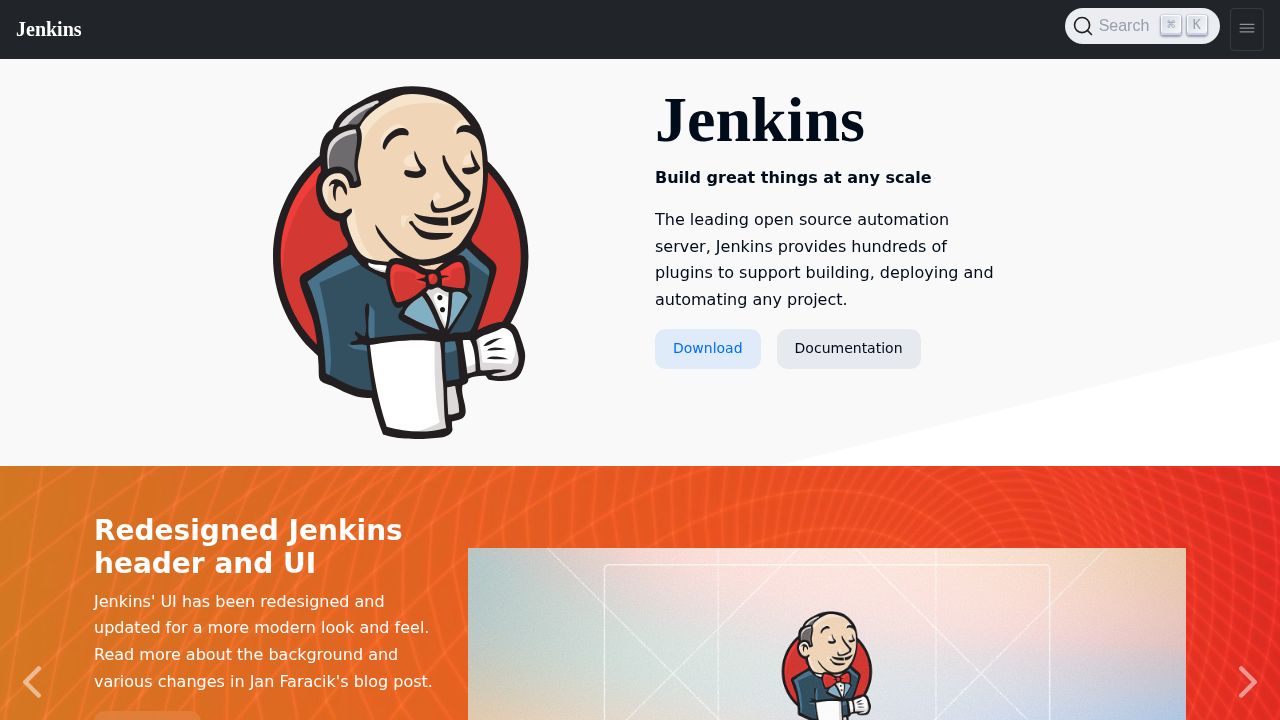
Jenkins Review
Jenkins is a leading open-source CI/CD automation server with hundreds of plugins for building, testing, and deploying software.
Verdict
Jenkins is the most widely deployed open-source CI/CD server, with a massive plugin ecosystem that integrates with virtually every DevOps tool. Its self-hosted, Java-based architecture gives teams full control but demands operational overhead for setup and maintenance. It remains a strong default for teams that need flexibility over managed SaaS convenience.
Best for
Jenkins is best for developers and teams looking for a customizable automation server for continuous integration and delivery.
At a glance
Pros & cons
- Free and open source
- Enormous plugin library
- Highly customizable and extensible
- Significant self-hosting and maintenance burden
- UI feels dated compared to modern alternatives
- No AI-specific features — poor fit for this directory
Related tools
Frequently asked
- Is Jenkins free to use?
- Yes. Jenkins has a free plan — Open source, self-hosted
- Does Jenkins have memory?
- No persistent memory — sessions don't carry over by default.
- Can Jenkins do voice or images?
- Voice: no. Image generation: no.
- What are the best alternatives to Jenkins?
- Browse the AI Tools Directory for related tools.
Looking for an alternative?
MeMakie is an AI character chat platform with persistent memory, group chat, and a community feed of user-built characters. Free to start.
Try MeMakie → Browse more toolsNotes from users
Concrete observations only — pricing changes, real-world feature behavior, what didn't work for you. Vague hot-takes get filtered out by automated review. No links allowed.
No comments yet. Be the first to add a real-world note about Jenkins.